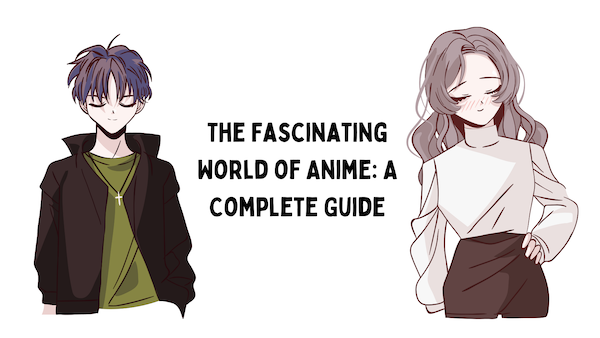
Anime is a distinct and influential form of art that originated in Japan and has captivated audiences worldwide. It encompasses a vast range of styles, genres, and themes, making it a versatile and dynamic medium of storytelling. Whether you’re new to it or a longtime fan, understanding its origins, evolution, and impact provides a deeper appreciation for this unique art form.
The Origins of Anime
The history of anime dates back to the early 20th century when Japanese filmmakers experimented with animation techniques inspired by Western influences. In 1917, anime pioneer Jun’ichi Kōuchi created Namakura Gatana, considered one of the earliest surviving Japanese animated films. As the medium evolved, it started incorporating elements of traditional Japanese art, culture, and storytelling.
During the 1960s, Osamu Tezuka, often called the “God of Manga,” revolutionized anime with his work Astro Boy. His unique style, characterized by large expressive eyes and dynamic action sequences, became a defining feature. This period saw the foundation of modern anime, blending hand-drawn artistry with compelling narratives.
Evolution and Global Reach
Anime gained international recognition in the 1980s and 1990s with the release of titles such as Akira, Dragon Ball Z, and Sailor Moon. This series introduced audiences to rich storytelling, intricate character development, and visual creativity.
Also Read: Batik Art: A Timeless Craft Bridging India and Indonesia
With technological advancements, anime production shifted from traditional hand-drawn techniques to digital animation, enhancing visual quality and allowing for more elaborate effects. Today, streaming platforms like Crunchyroll, Netflix, and Funimation have made anime accessible to audiences across the globe, contributing to its widespread popularity.
Distinctive Characteristics –
Several elements distinguish anime from other forms of animation:
- Art Style: Anime often features exaggerated facial expressions, vibrant colours, and detailed backgrounds. Character designs include large, expressive eyes and distinctive hairstyles.
- Genres: Anime covers an extensive range of genres, including action, romance, fantasy, science fiction, horror, and slice-of-life.
- Themes: Many anime explore deep philosophical, cultural, and social themes, addressing topics like identity, friendship, and morality.
- Cultural Influence: Japanese culture heavily influences anime, incorporating traditional folklore, values, and aesthetics.
- Storytelling: Anime frequently features complex storylines, emotional depth, and character-driven plots that appeal to audiences of all ages.
Also Read: Pattachitra: A Window into Ancient Indian Folk Art
Popular Series and Films
Over the years, several anime series and films have gained critical acclaim and a devoted fanbase. Some notable works include:
- Studio Ghibli Films: Spirited Away, My Neighbor Totoro, and Princess Mononoke, are known for their breathtaking animation and heartwarming stories.
- Shonen Anime: Naruto, One Piece, and Attack on Titan, cater to a young male audience with action-packed adventures.
- Shojo Anime: Cardcaptor Sakura, Fruits Basket, and Sailor Moon, often focusing on romance and personal growth.
- Seinen Anime: Death Note, Tokyo Ghoul, and Berserk, featuring darker and more mature themes.
The Anime Industry Today
The industry continues to thrive, with Japan producing hundreds of new titles each year. The global demand has led to collaborations between Japanese studios and international production companies. Conventions, such as Anime Expo and Comiket, celebrate anime culture and attract fans from around the world.
Also Read: Alcohol Ink Art: An Exhaustive Guide
Merchandising plays a crucial role in the industry, with figures, posters, clothing, and collectables being highly sought after by enthusiasts. The rise of online communities and social media platforms not just in Japan has further fueled discussions, fan theories, and creative expressions within the anime fandom.
How to Get Started –
If you’re new to this, it’s essential to explore different genres and find what resonates with you. Some beginner-friendly recommendations include:
- Action: Fullmetal Alchemist: Brotherhood
- Romance: Your Lie in April
- Fantasy: Made in Abyss
- Science Fiction: Steins; Gate
- Slice of Life: March Comes in Like a Lion
Engaging with online communities, reading reviews, and watching trailers can help you discover anime that aligns with your interests.
Also Read: A Comprehensive Guide to Chalk Paints
Unknown Facts –
- Longest-Running Anime: Sazae-san holds the Guinness World Record for the longest-running animated television series, having aired since 1969.
- Anime Voice Acting: Japanese voice actors, known as “seiyuu,” often achieve celebrity status and have dedicated fan followings.
- Anime vs. Manga: While anime adaptations are popular, they sometimes differ significantly from the original manga source material.
Conclusion
Anime is more than just entertainment; it is a rich and diverse art form that has influenced cultures and inspired creativity worldwide. From its humble beginnings in Japan to its current global dominance, anime continues to captivate audiences with its artistic expression and compelling storytelling. Whether you’re a casual viewer or a passionate enthusiast, there’s always something new to discover in the world of anime.
Also Read: Aipan Art: Preserving Heritage Through Patterns and Colors
***
Hop over to www.rainbowsandhues.com to explore exciting offers on arts & craft supplies on our website!
Follow @rainbowsandhues on Instagram to get regular information on new products and deals!